
Research areas
We conduct applied research to evaluate new strategies for controlling key pests of fruits and vegetables. Our research topics include beneficial and pest arthropods from insects (six-legged animals) to mites (eight-legged animals). The Demard Lab studies population dynamics, arthropod communities, and trophic interactions in relation to biotic and abiotic conditions in Utah farming systems. Our goal is to develop monitoring tools, biological control programs, and cultural control practices that can be combined with reduced-risk insecticides to create effective and resilient integrated pest management (IPM) programs.
Ongoing and future projects include improving our understanding and management of squash bugs and peach twig borer, documenting the species composition of predatory mites in tree fruit orchards, and developing resistance management programs for thrips in vegetables.
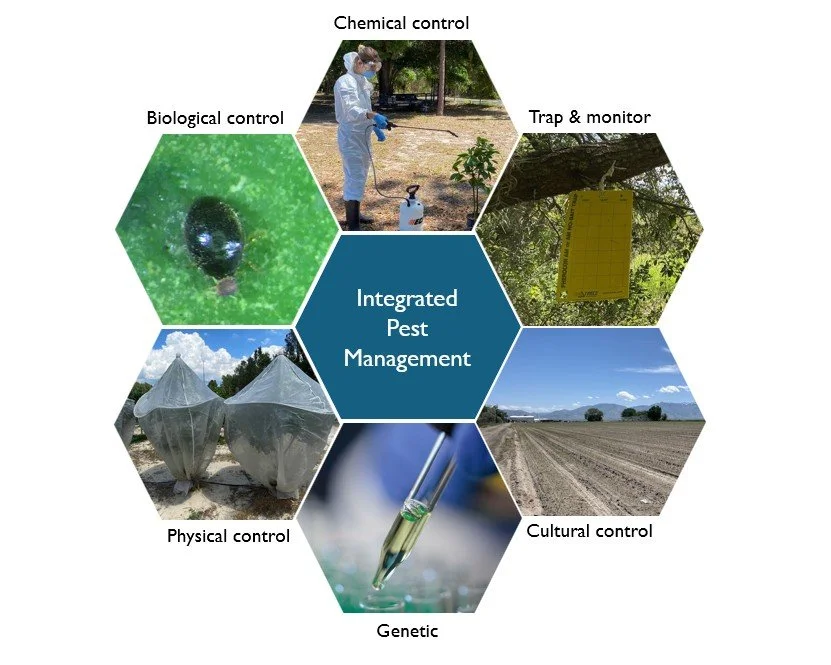
What is Integrated Pest Management (IPM)?
Integrated Pest Management (IPM) is the approach that combines different management strategies (cultural, genetic, biological, chemical, and physical/mechanical techniques) to keep pest populations below economic thresholds while limiting negative impact to the environment, non-target organisms and human health. Before choosing the most appropriate control methods, several steps should be implemented, including:
- Identify and monitor pests (i.e, traps, scouting, forecasting model),
- Prevention (i.e., removing crop residues, planting early, using resistant plants),
- Set action thresholds (i.e., level of pest populations at which a control action must be taken).
Current Research Projects
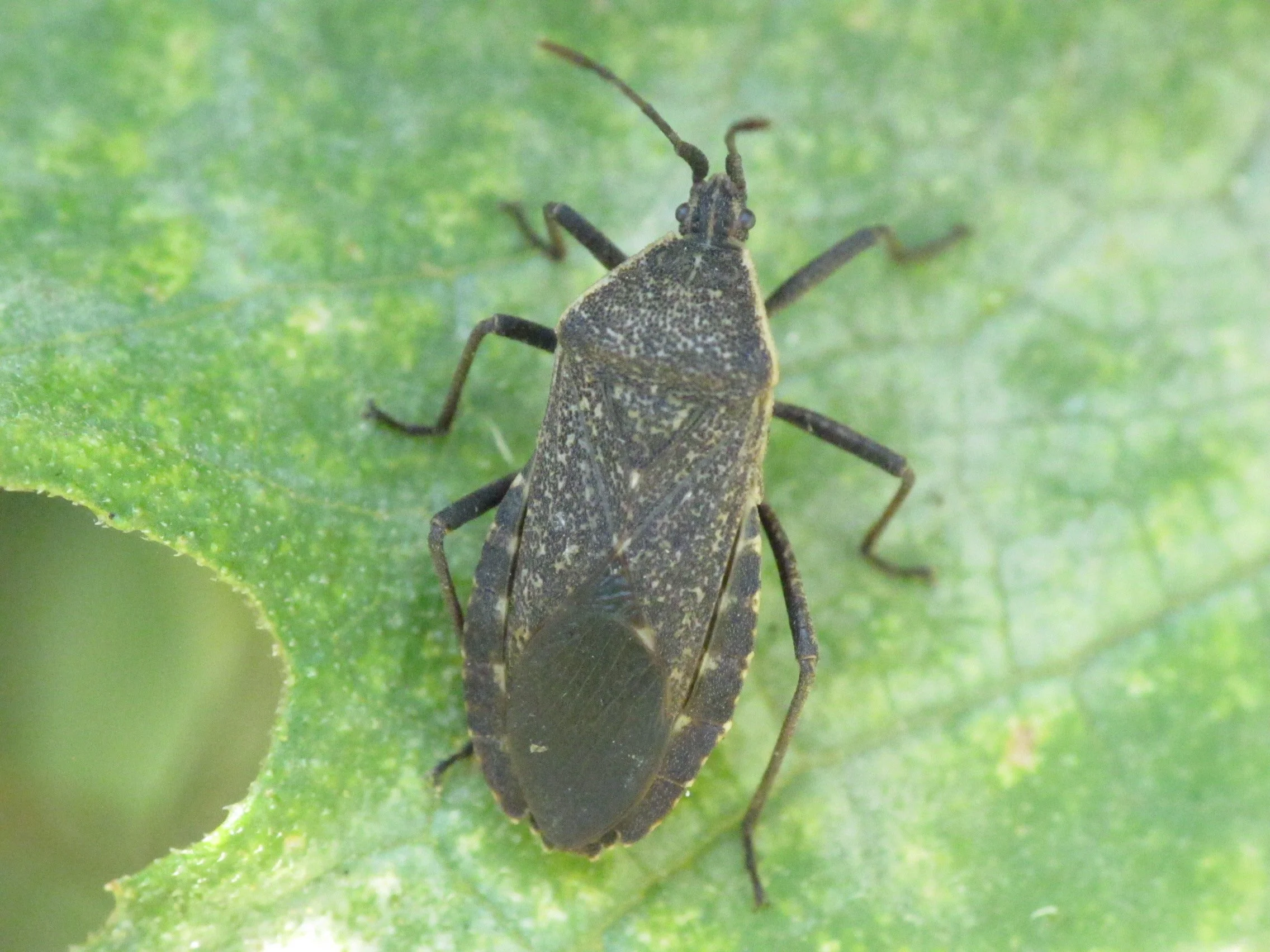
Squash Bugs
Study the seasonality of squash bugs in cucurbits and test the efficacy of registered insecticides in Utah to improve their management.

Predatory Mites
Document the species composition of predatory mites in tree fruit orchards (apple, peach, tart cherry).
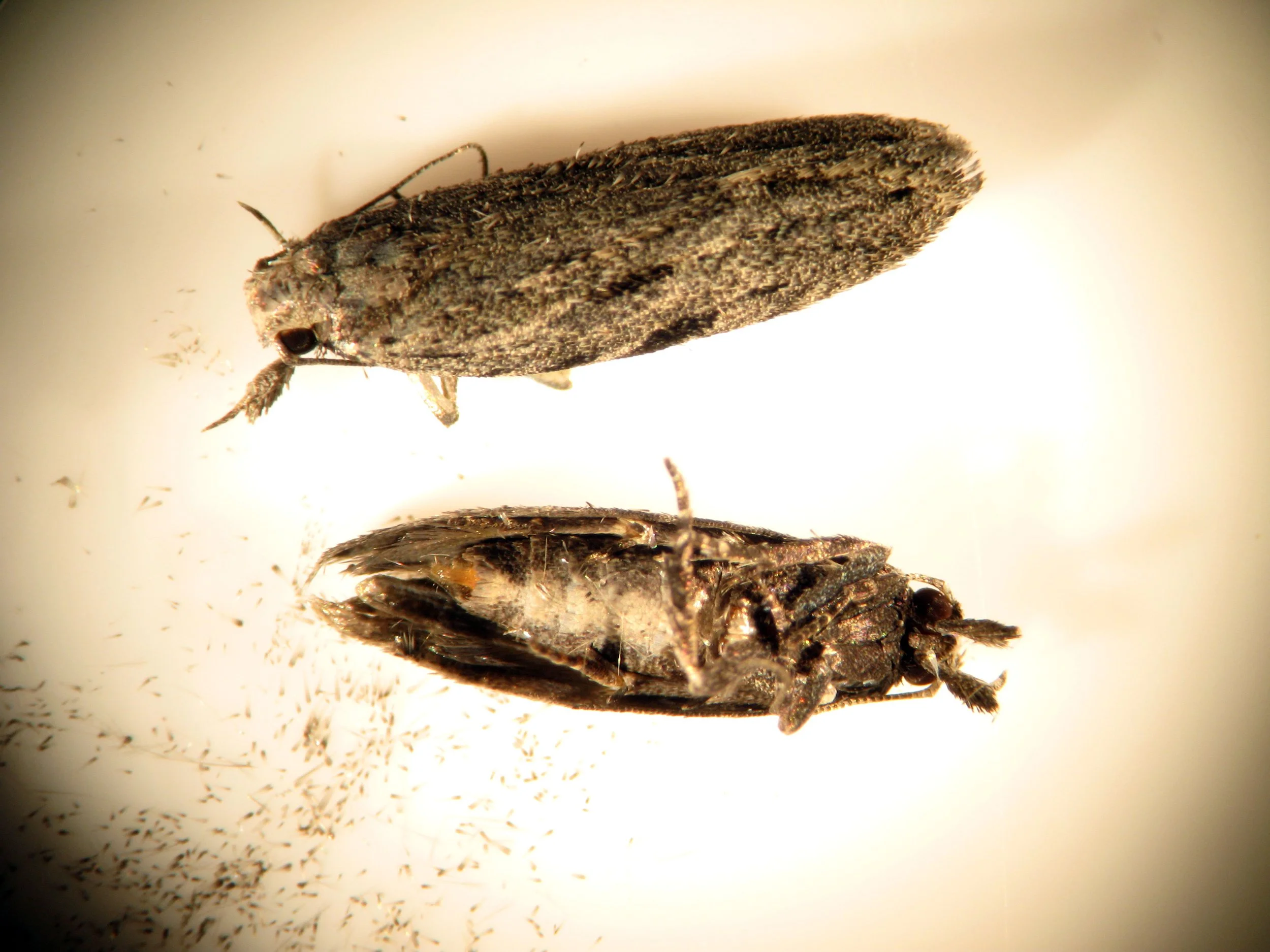
Peach Twig Borer
Improving peach twig borer monitoring in stone fruits with baited pheromone traps and UV-A light.
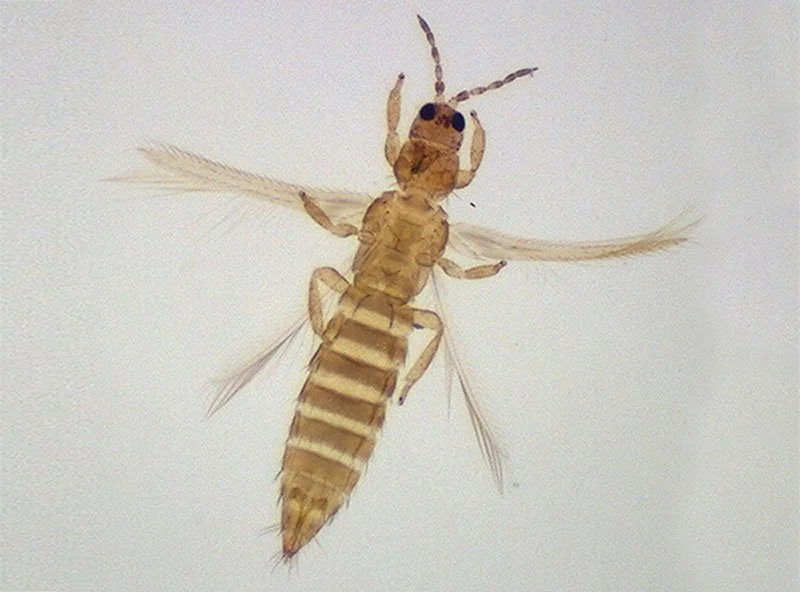
Thrips
Assess the susceptibility of thrips populations to insecticides used in onion and squash.